Portable extinguisher
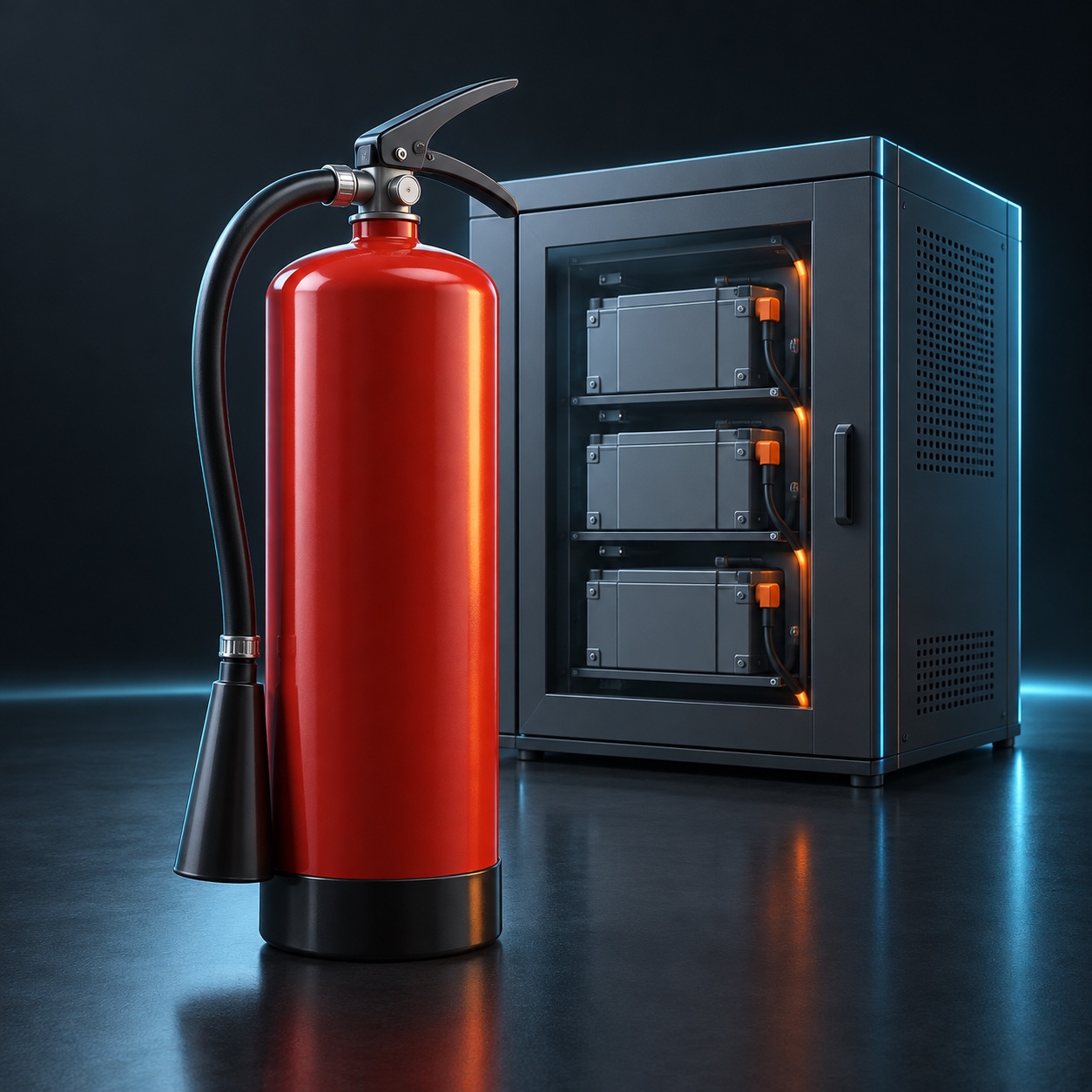
A way to apply the LiSafe agent for an initial response by on-site personnel under site procedures.
- Separate testNTA 8133 · 2025
- Designed forLi-ion batteries & combustible metals
Data centres, depots, factories, warehouses
Developed by LiSafe
The agent developed by LiSafe is the core of the solution. An extinguisher, stand-off delivery or an in-pack module are ways to deliver it to the source.
Ways to deliver the agent
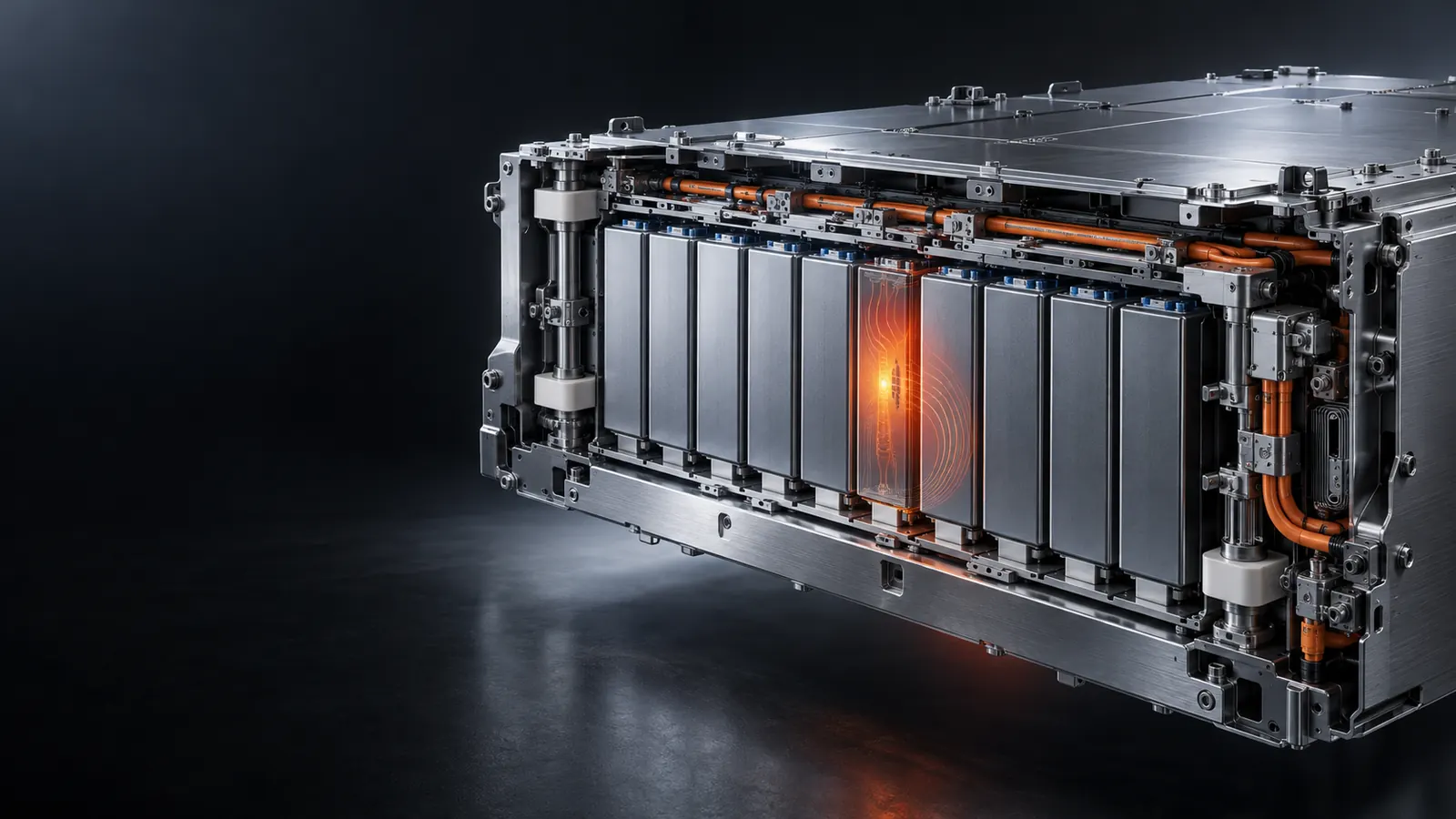
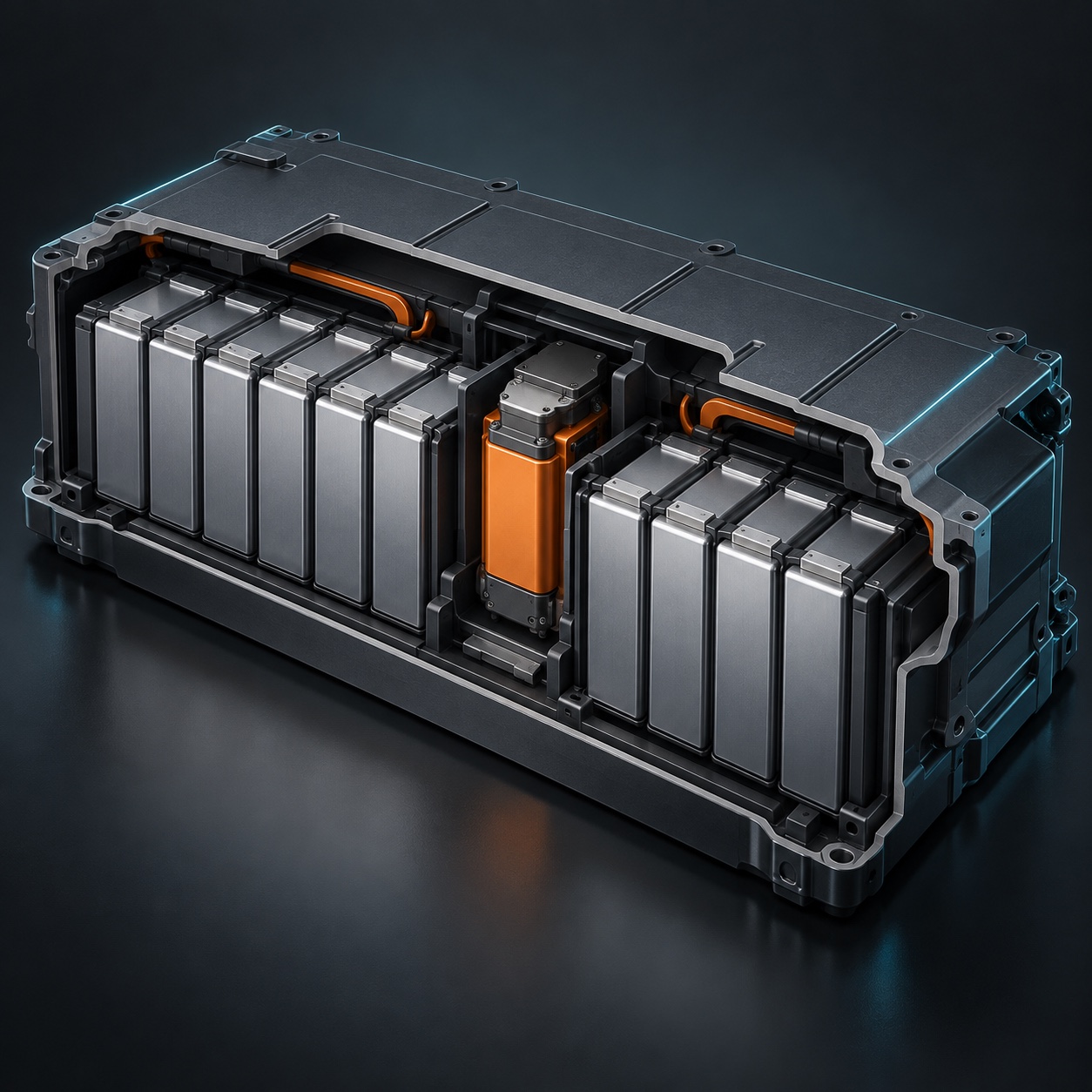
Conceptual battery pack visualisation
01How the agent is applied
The LiSafe product is its developed fire-suppression agent. Extinguishers, stand-off systems and in-pack modules are tools for delivering it. We select the method for the battery and site conditions.

A way to apply the LiSafe agent for an initial response by on-site personnel under site procedures.
Data centres, depots, factories, warehouses
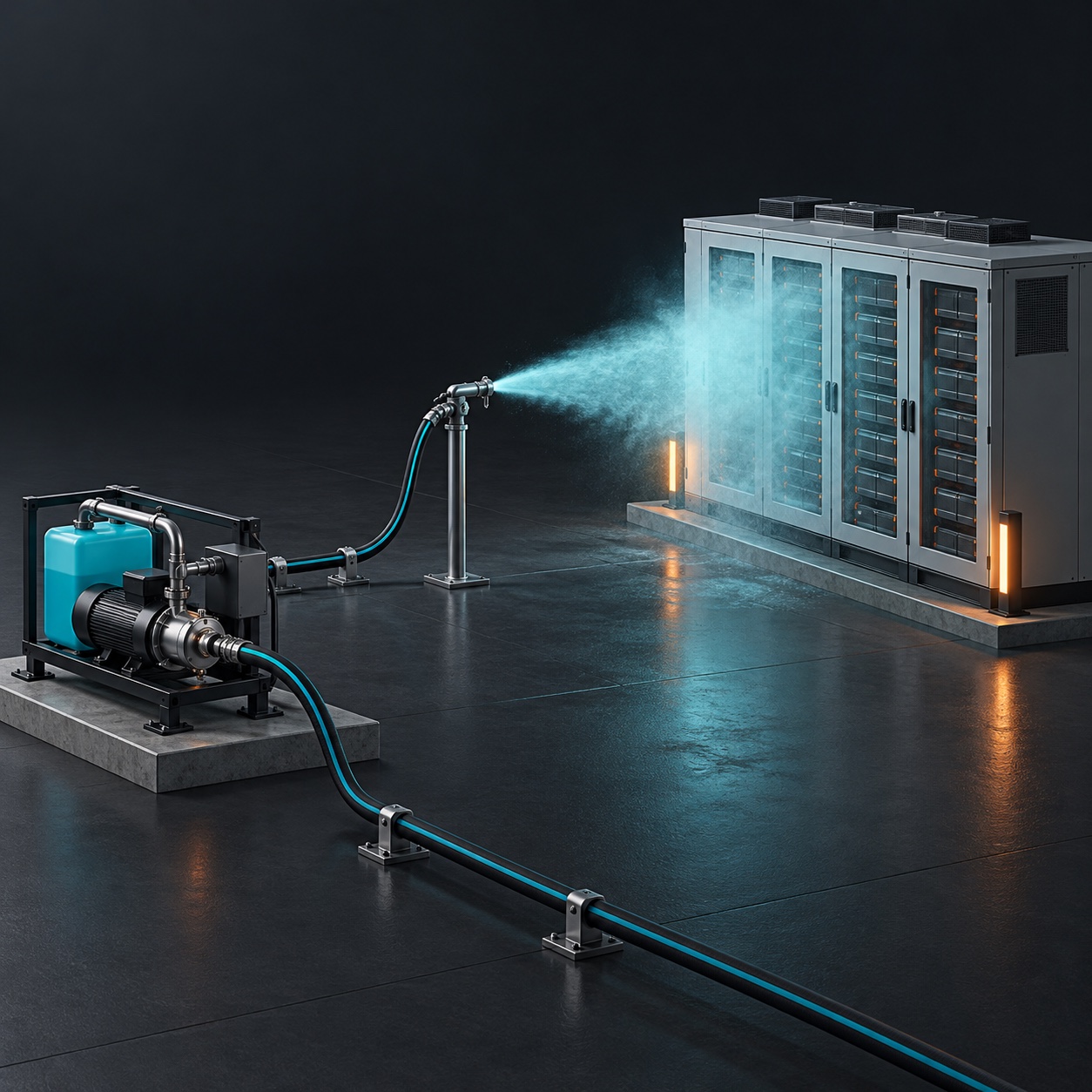
The agent is delivered from a distance defined by the system configuration and site conditions.
* Stated range, depends on configuration

The module sits inside the battery pack and contains the LiSafe agent, which is released at a defined temperature without an external signal.
Threshold depends on housing material. Vibration-resistant design.
Conceptual 3D visuals explain each solution format; they do not depict specific LiSafe production equipment.
02Industries
These are typical application scenarios. The protection configuration is selected for the battery and site conditions.

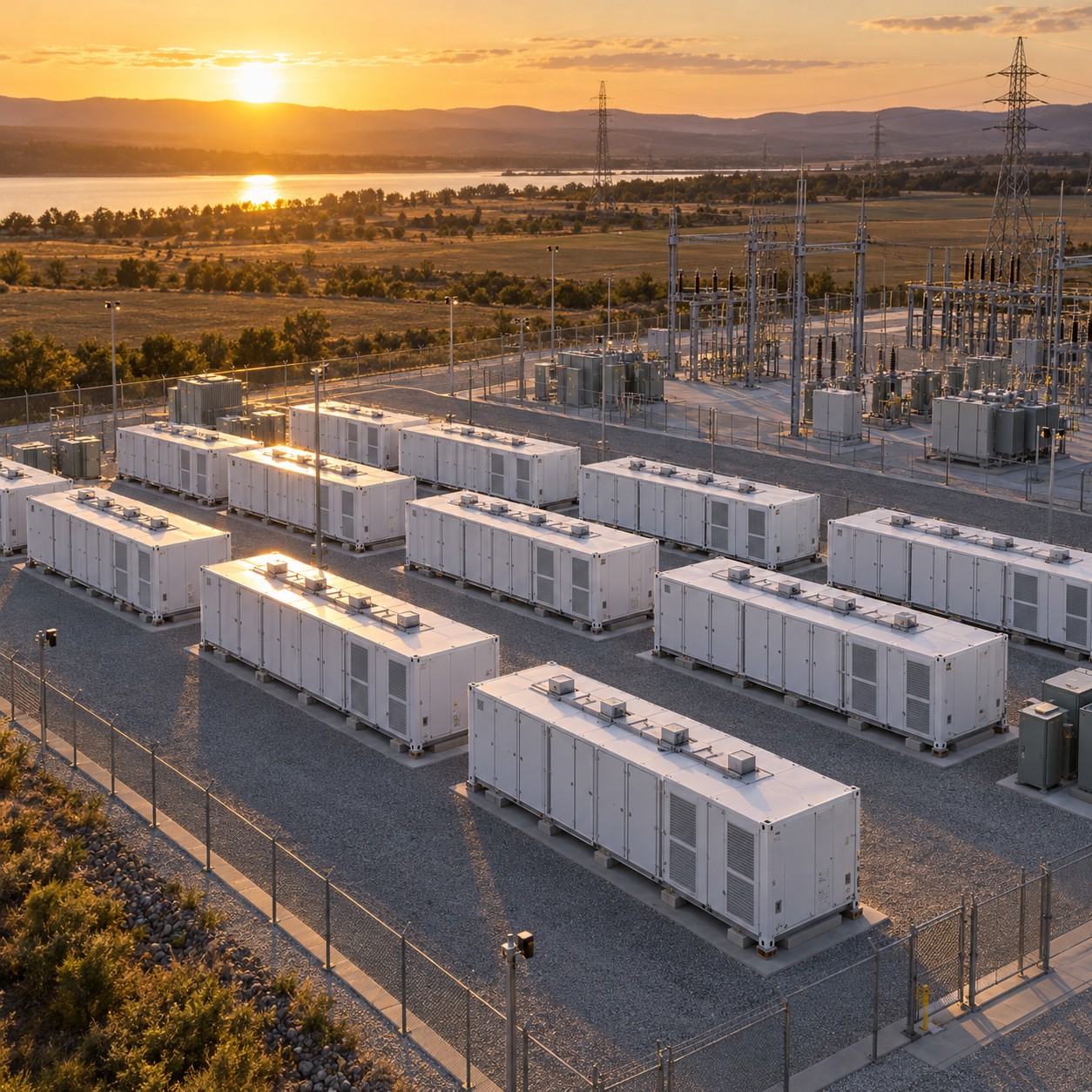
A fire in the UPS battery room can take down the whole data centre, and gas does not cool the cells.
What we install: extinguishers at UPS cabinets, module inside battery packs
Discuss my site →
A single module fire can spread to the whole container, and opening a burning container is dangerous.
What we install: module inside packs, stand-off delivery from outside
Discuss my site →
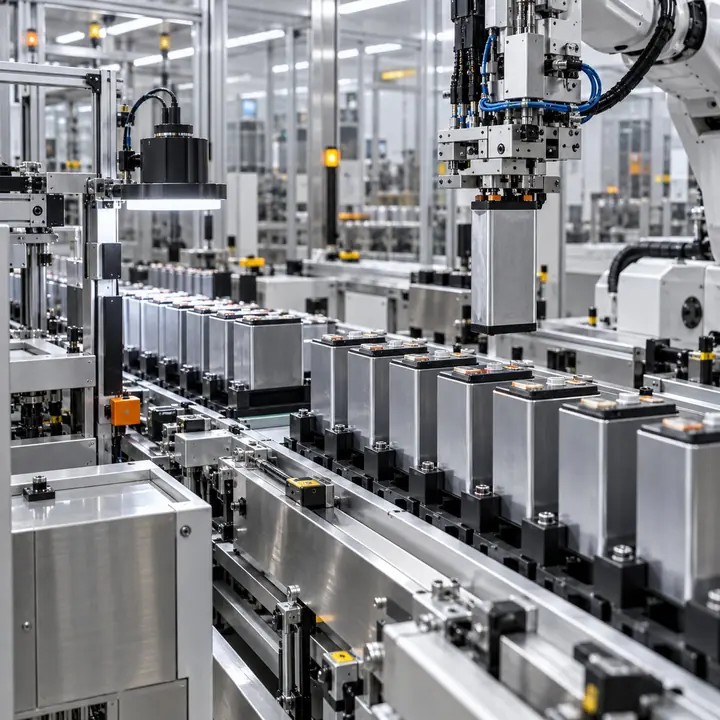
Formation chambers, cell storage and assembly lines hold large amounts of energy at every stage.
What we install: extinguishers on the line, stand-off delivery for storage
Discuss my site →
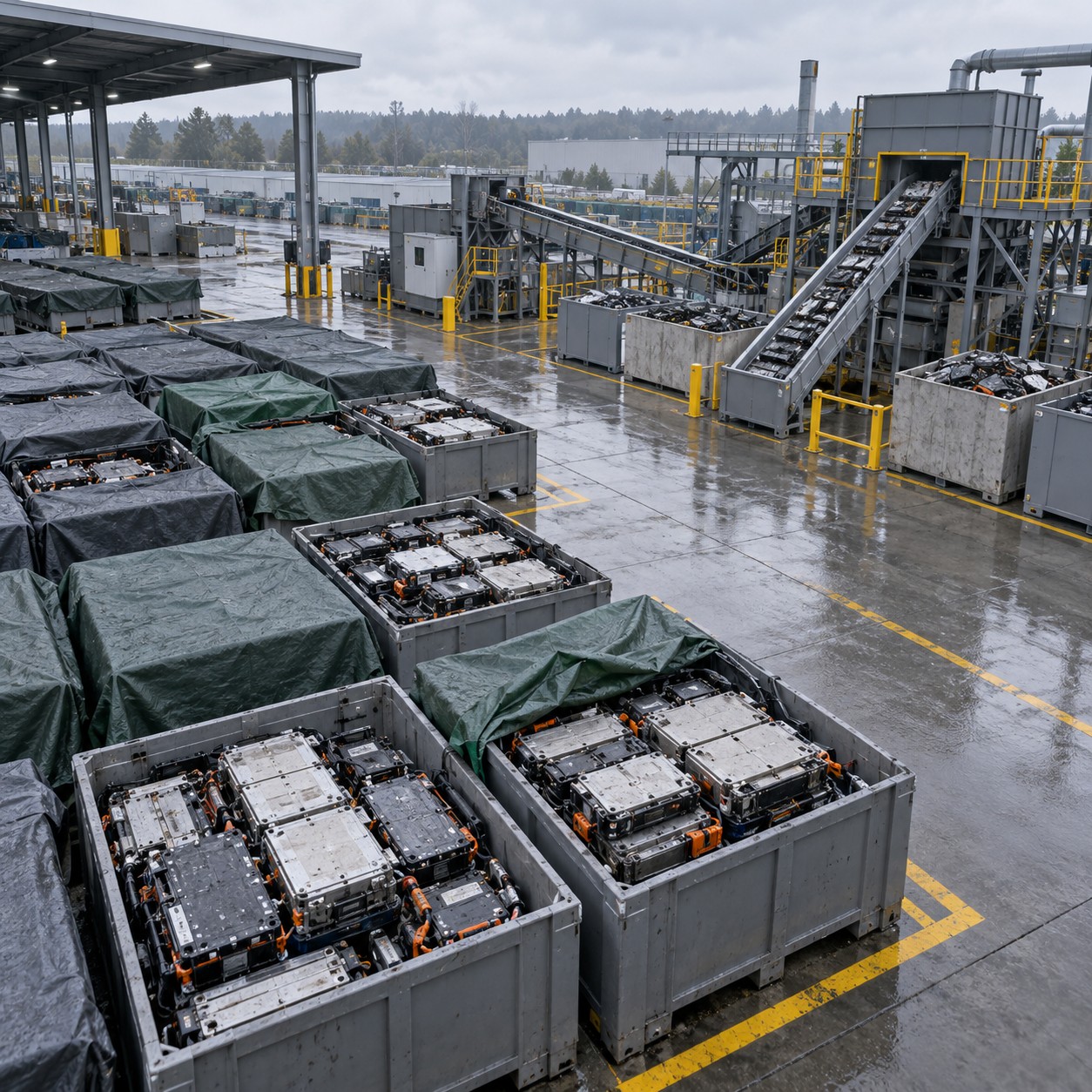
Damaged and partially charged batteries catch fire at shredders and storage yards.
What we install: extinguishers at the line, stand-off delivery for yards
Discuss my site →
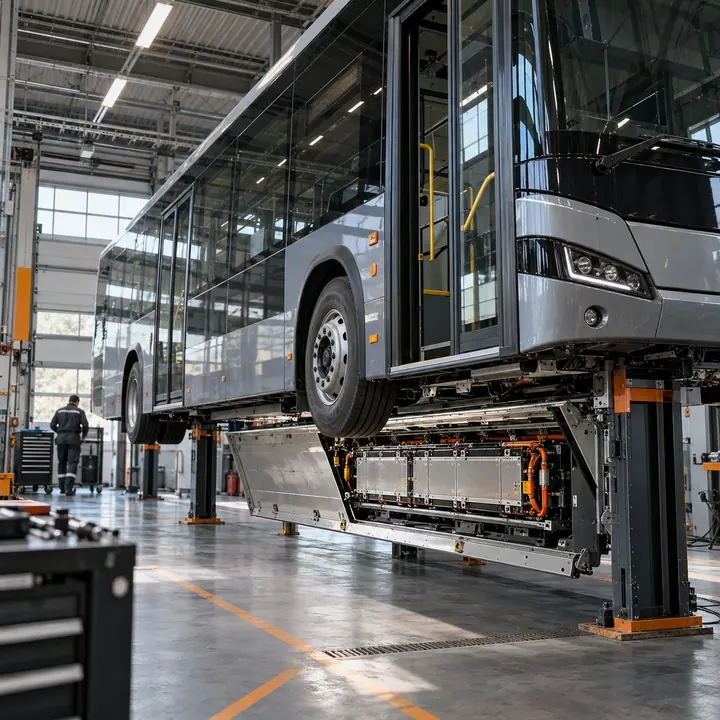
Dozens of vehicles charging overnight under one roof. Tested on e-bus battery modules.
What we install: module inside battery packs, extinguishers in the depot
Discuss my site →
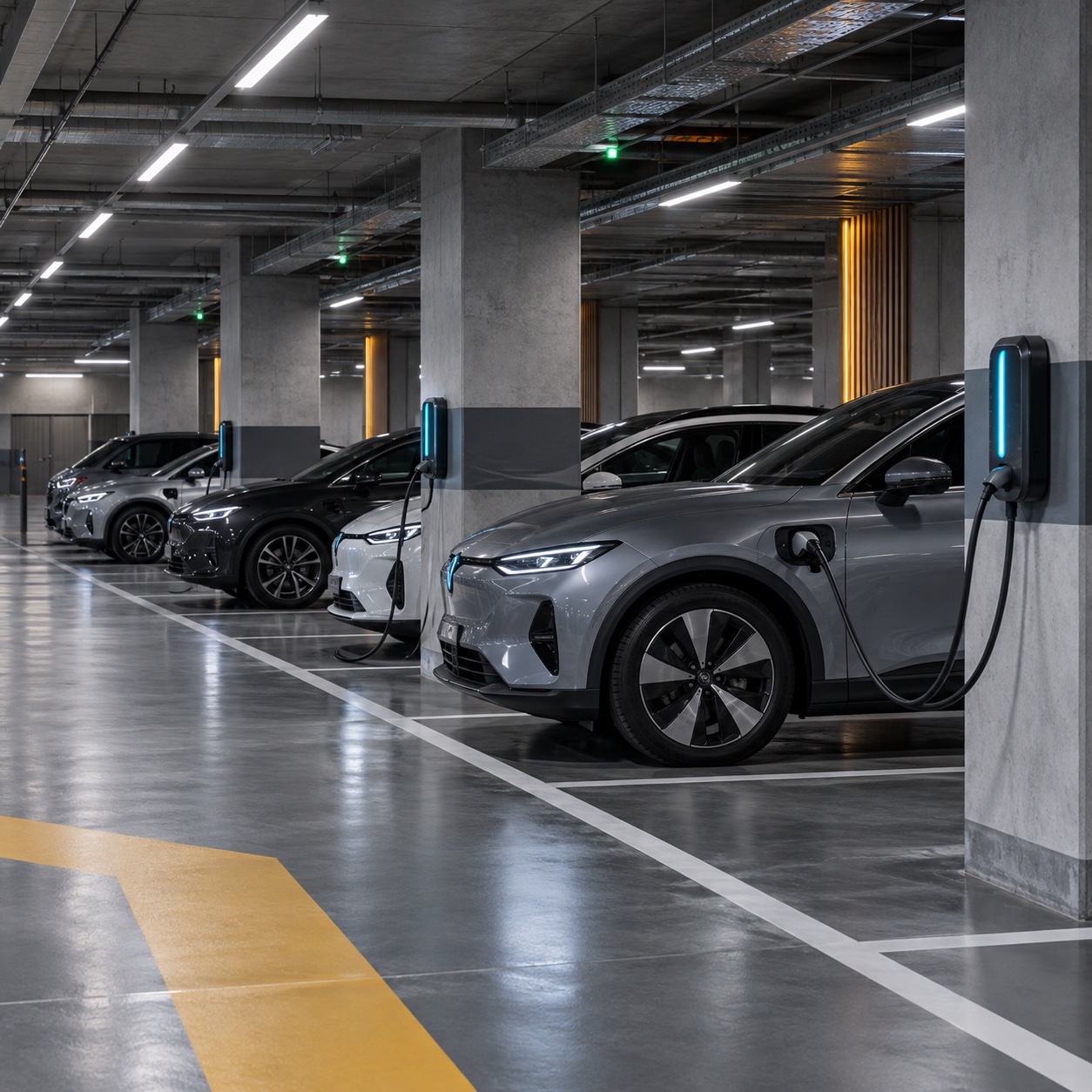
An EV fire in an underground car park is hard to fight: little space, heavy smoke and other cars next to it.
What we install: stand-off delivery, extinguishers for car park staff
Discuss my site →
Hundreds of vehicles stand bumper to bumper on deck, and the crew at sea can only rely on itself. Tested on a 1080 Ah marine NMC pack.
What we install: stand-off delivery on deck, extinguishers for the crew
Discuss my site →
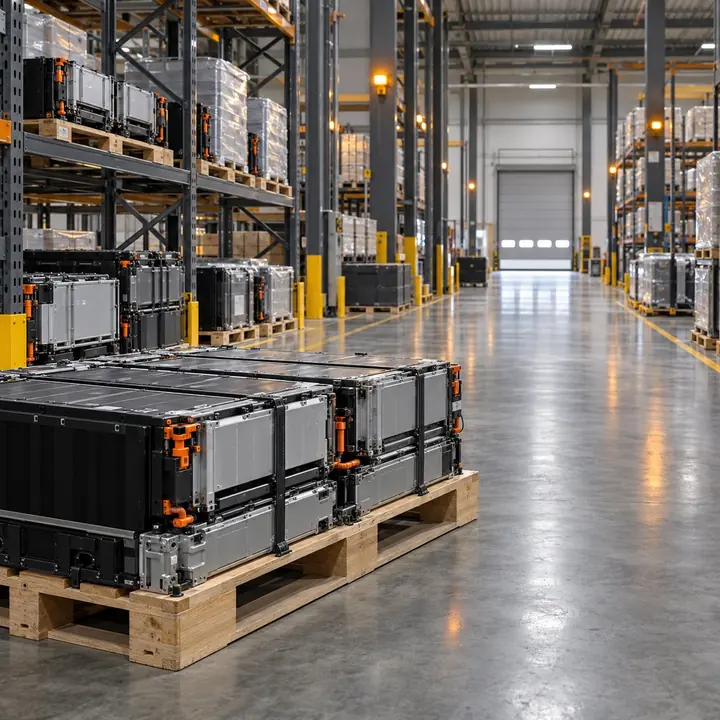
Pallets of batteries sit densely on high racks and the source of a fire is hard to reach.
What we install: stand-off delivery up to 120 m, extinguishers for staff
Discuss my site →Industry images are created with generative tools and do not show our customers’ sites. Applicability is confirmed for each project.
03Why this fire is different
Battery-site protection must account for visible flames, access to the source, pack design and monitoring after an incident.
Cell heating can trigger thermal runaway and transfer heat to neighbouring cells.
Even after visible flames are addressed, a battery pack may remain hot and require monitoring under site procedures.
Cells sit inside a pack, cabinet or container. The delivery method depends on the design and site conditions.
The protection scenario depends on battery chemistry, pack design and site conditions.
04Engineering centre
The LiSafe engineering team takes a project from technical review to a solution validated on an agreed battery configuration.
We consider battery type, pack design and site conditions.
We select the protection format and equipment placement.
We test an agreed scenario on the selected battery.
We document results and adapt the project for site deployment.
We are looking for partners among fire-protection distributors and installers in different countries.
Become a partner →05Testing
We test the agent on production battery packs, UPS systems and electric vehicles at our own test ground and at specialised institutes.
A separate portable-extinguisher test under KIWA NTA 8133 (France, 2025). The standard covers batteries up to 600 Wh.
We can show suppression live at our test ground or by video.
06Public cases
Three public examples from different industries. They are not related to LiSafe; causes are given only where sources state them.
January 2025Moss Landing, USA
According to the EPA, about 55% of the facility’s batteries were damaged.
October 2022Pangyo, Republic of Korea
The fire was followed by a large-scale outage of tenants’ digital services.
April 2026Shenzhen, China
BYD reported the fire and no casualties. The report does not state the cause.
The presence of batteries on a site does not by itself establish the cause of a fire.
07Contact
Where the batteries are and what you need to solve. We will suggest a protection format and the next step: a review, a demo or a pilot.